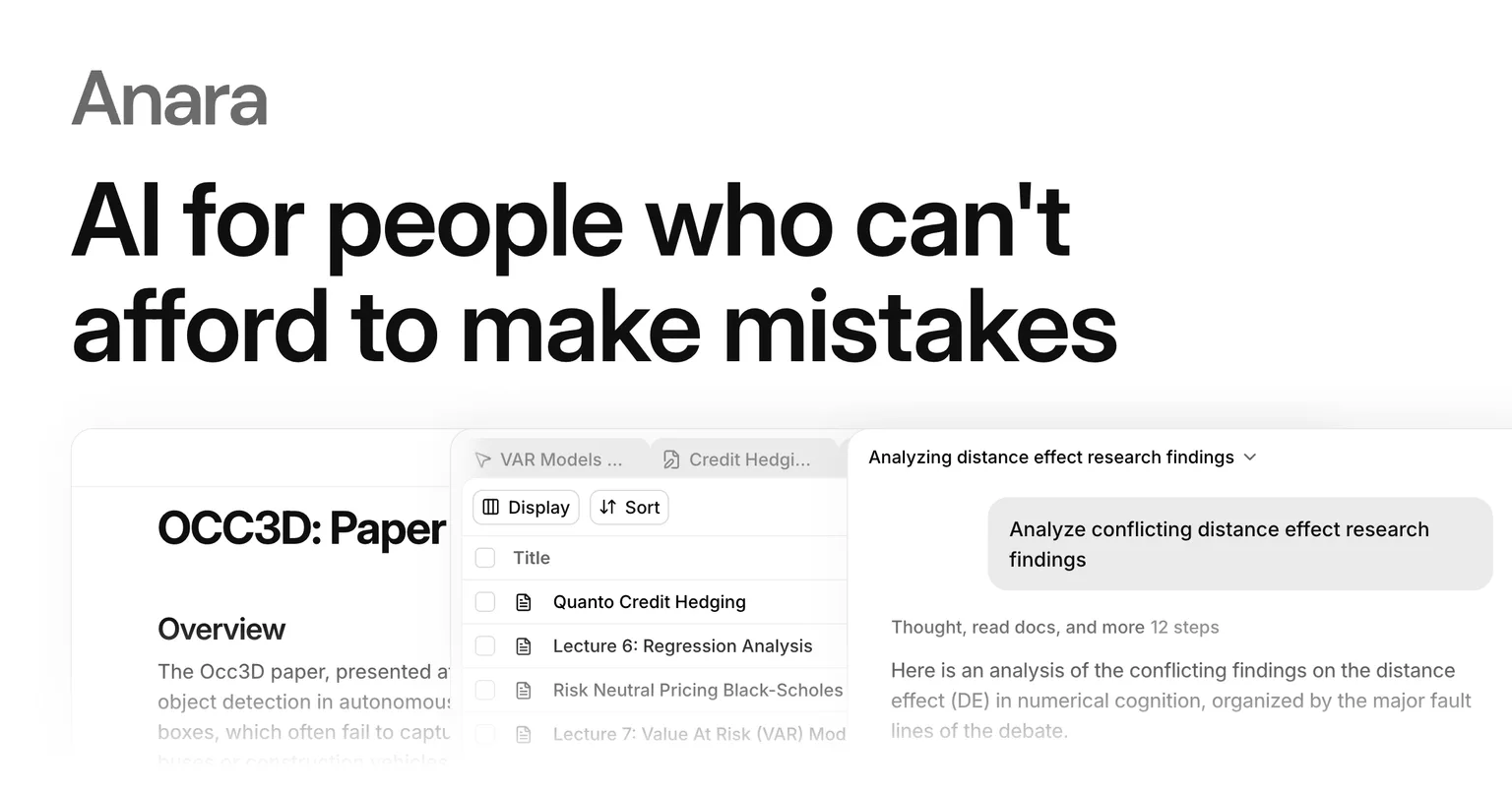
Yes, Anara is a worthwhile investment in 2026 for researchers, academics, and PhD students who need to streamline their literature review process. Its value stems from its ability to significantly reduce the time spent on manual research tasks, provide a structured workflow, and enhance the synthesis of complex academic information. The tool's worth is most evident for those managing extensive scholarly literature, though the subscription cost requires careful budget consideration.
Anara is a specialized AI-powered software platform designed to guide academics through the entire literature review workflow. It provides a structured, step-by-step framework that assists users from the initial exploration of a topic to the final synthesis of information, making it a powerful asset for anyone engaged in scholarly work.
Looking for more AI tools? Explore 500+ ranked options at top10k.com before deciding.
The tool is built for postgraduate students, university faculty, and professional researchers facing large volumes of academic papers. This comprehensive review examines Anara's core features, pricing model, and overall performance, comparing it against key alternatives to help you determine if it is the optimal addition to your research toolkit.
What Makes Anara a Worthwhile Investment in 2026?
Anara is a valuable investment for researchers who prioritize efficiency, structure, and depth in their literature review process. Its worth is demonstrated through specialized features that automate tedious tasks, a guided workflow that ensures methodological rigor, and an AI-driven ability to synthesize complex information. To fully assess its value, it is crucial to analyze its specific advantages, disadvantages, and pricing structure.
Let's explore the distinct pros and cons of using Anara, along with its cost, to provide a clear and comprehensive verdict on its overall value proposition for the modern researcher.
What Are the Key Advantages of Using Anara?
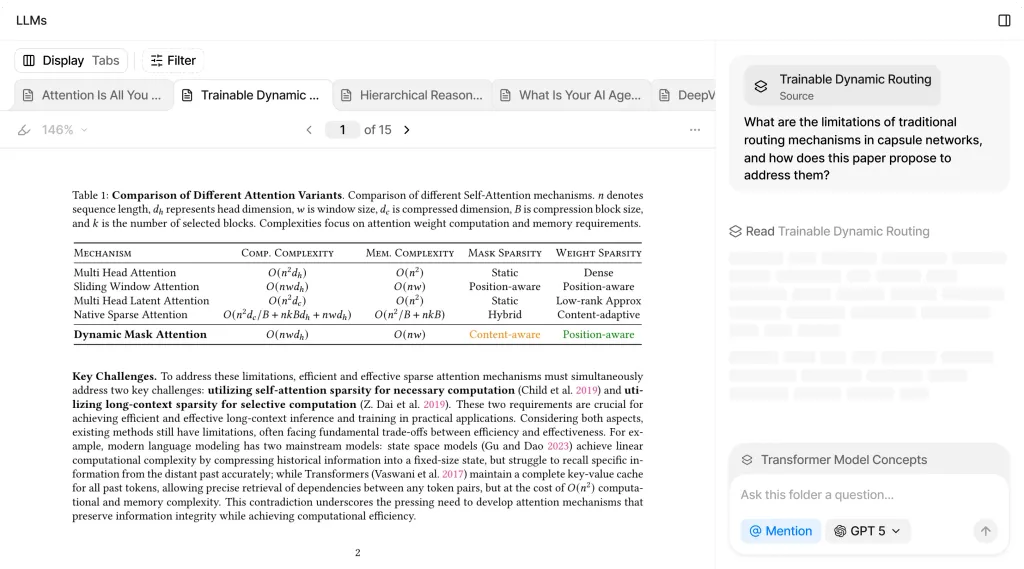
The primary advantages of using Anara are its significant time-saving capabilities and its structured, step-by-step guidance for literature reviews. These features accelerate the research timeline and improve the quality of the final output by ensuring a systematic approach.
This combination of speed and structure is particularly beneficial for researchers under tight deadlines. The following points detail the specific benefits Anara offers.
- Accelerated Research Workflow: Anara employs advanced AI to rapidly find, screen, and extract pertinent information from academic papers, which drastically reduces the hours spent on manual searches and initial reading. This allows researchers to move from discovery to analysis much faster.
- Structured and Guided Process: The platform provides a guided, methodical process for conducting literature reviews, which is especially helpful for early-career researchers and PhD students who are still mastering this complex task. This structure ensures all critical stages of the review are completed thoroughly. * Enhanced Information Synthesis: A key strength of the tool is its ability to help users synthesize findings from numerous sources. It facilitates the identification of common themes, conflicting results, and critical research gaps, which are essential for building a coherent and compelling narrative for a literature review.
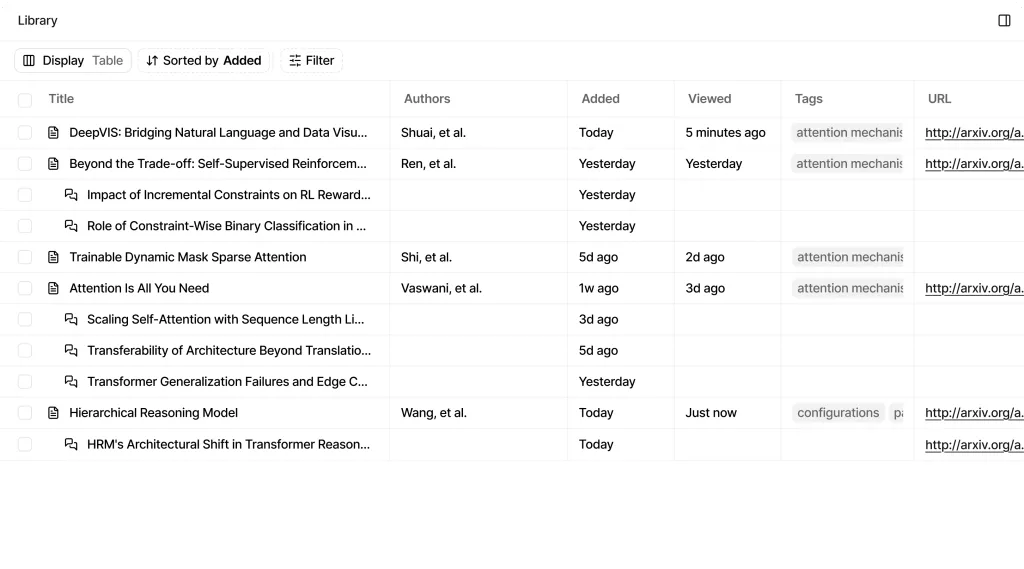
- Centralized Research Management: Anara functions as a centralized hub for all research materials, including papers, annotations, extracted data, and synthesis notes. This improves organization, prevents information loss, and makes all project-related assets easily accessible from one dashboard.
What Are the Potential Disadvantages of Using Anara?
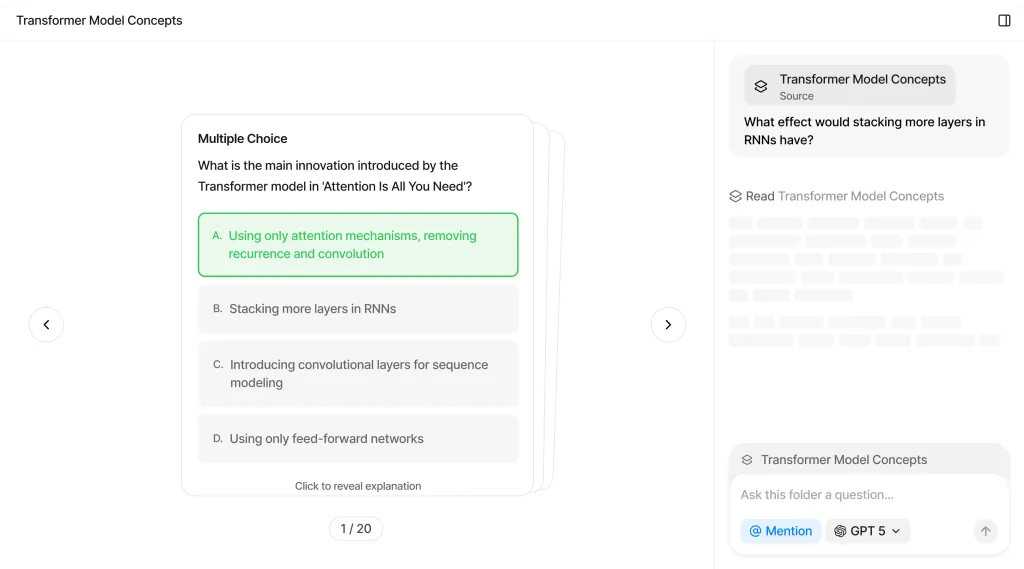
The main disadvantages of Anara include its subscription cost, which can be a significant barrier for some users, and a potential learning curve. Additionally, its high degree of specialization may not suit researchers seeking a more generalized AI assistant for broader tasks.
To make an informed decision, it is important to weigh these potential drawbacks against the tool's benefits. Here is a detailed breakdown of the cons associated with Anara. * Subscription-Based Cost: As a premium software-as-a-service (SaaS) tool, Anara requires a paid subscription. This ongoing expense might not be feasible for students, independent researchers, or academics with limited institutional funding or personal budgets.
- Initial Learning Curve: While the interface is designed to be intuitive, mastering all of its advanced features for data extraction, concept mapping, and synthesis may require an initial time investment. Users unfamiliar with specialized research software might need a few sessions to become fully proficient.
- Niche Specialization: Anara is purpose-built for the academic literature review process. Researchers who need a more versatile AI tool for tasks like general writing, data analysis, or grant proposal drafting might find its focus too narrow for their overall needs.
- Risk of AI Over-Reliance: The powerful AI-driven synthesis features, if used without critical engagement, could potentially limit the development of a user's own analytical and critical thinking skills. It is crucial to use Anara as an assistant to augment, not replace, the researcher's intellectual work.
What Does Anara's Pricing Structure Look Like?
Anara's pricing is built on a subscription model with multiple tiers catering to different user profiles, including plans for students, individual academics, and larger research teams. The plans are differentiated by project limits, document storage capacity, and access to premium features like advanced collaboration and data synthesis tools. The pricing is generally considered competitive within the niche market of AI research software. To understand the financial investment required, the following table outlines the typical pricing tiers and features offered by Anara.
This table provides a summary of Anara's typical subscription plans. The details help potential users select the plan that best aligns with their research needs and budget.
| Plan Tier | Target User | Key Features | Typical Limitations |
|---|---|---|---|
| Student Plan | Individual Students | Core features, AI search, basic data extraction | Limited number of active projects, monthly document processing cap |
| Researcher Plan | Academics, Postdocs | All student features, advanced synthesis, priority support | Higher project and storage limits, but not unlimited |
| Team/Lab Plan | Research Groups | All researcher features, collaboration tools, centralized billing | Custom pricing based on team size, administrative controls |
For the most accurate and up-to-date pricing information for 2026, including specific costs and a complete feature comparison, it is always best to consult the official Anara website. ## What Is Anara and Who Should Use It?
Comparing alternatives? Discover the full ranked list on https://top10k.com before committing to any single platform.
Anara is a highly specialized AI-powered software platform engineered to streamline and enhance the academic literature review process. Its primary function is to guide researchers through every critical stage, from discovering relevant papers and extracting key data to synthesizing findings and identifying novel research gaps. The tool is meticulously designed for a specific academic and professional audience.
To determine if Anara aligns with your professional requirements, it is essential to understand its core features and the ideal user profile it is intended to serve.
What Are the Core Features of Anara?
Anara's core features consist of an AI-assisted search engine for academic databases, automated data extraction and synthesis tools, and a structured, step-by-step guide for conducting comprehensive literature reviews. These functionalities are integrated to create a cohesive, powerful, and efficient research environment that supports the entire review lifecycle. Here is a more detailed examination of the key features that define the Anara platform and set it apart.
- AI-Powered Semantic Search: Anara integrates with major academic databases like PubMed, Scopus, and Web of Science, allowing users to perform intelligent, semantic searches that go beyond simple keywords. The AI understands research questions and context to identify the most relevant and impactful papers.
- Automated Data Extraction: After papers are selected, the tool can automatically extract and categorize crucial information. This includes research questions, methodologies, participant demographics, key findings, statistical results, limitations, and suggestions for future research, saving hundreds of hours of manual note-taking.
- Concept Mapping and Synthesis: Anara provides visualization tools that help users map connections between different studies, authors, and concepts. This feature is instrumental in synthesizing disparate information into coherent themes, theoretical frameworks, and persuasive arguments, which form the backbone of a high-quality literature review.
- Step-by-Step Guided Workflow: The platform offers a structured workflow that methodically guides users through the entire literature review process, from defining the scope to writing the final synthesis. This ensures that no critical steps are overlooked, promoting methodological rigor and is particularly valuable for novice researchers. * Collaborative Environment: For users on a team plan, Anara includes features that enable multiple researchers to collaborate seamlessly on the same project. Team members can share libraries, exchange notes, assign tasks, and track collective progress in real-time, making it ideal for large-scale systematic reviews or lab projects.
Who Is the Ideal User for Anara?
The ideal user for Anara is any individual deeply involved in academic or evidence-based research who needs to conduct thorough and systematic literature reviews efficiently. This profile primarily includes PhD candidates, postdoctoral fellows, university professors, and professional researchers in both academic and corporate R&D settings. Let's explore why these specific user groups stand to gain the most from integrating Anara into their workflow.
- PhD and Graduate Students: This group represents Anara's core audience. The literature review is a foundational, often daunting, component of a thesis or dissertation. Anara helps students manage an overwhelming volume of reading, structure their review logically, and pinpoint the crucial research gap their work aims to address, thereby strengthening their contribution to the field.
- Academics and University Faculty: Professors and lecturers are constantly required to stay abreast of the latest research for their own publications, grant applications, and course development. Anara accelerates this continuous review process, freeing up valuable time to focus on higher-level analysis, writing, and mentoring students.
- Professional Researchers (R&D and Policy): Researchers in corporate, government, or non-profit sectors who conduct evidence-based reviews can leverage Anara to quickly synthesize existing literature before initiating new projects. This ensures that new initiatives are built on a solid foundation of current knowledge, saving significant time and resources. For comparisons of tools in this sector, resources like top10k.com can be useful.
If a substantial portion of your work involves reading, synthesizing, and writing about a large body of scholarly literature, you fit the profile of an ideal Anara user.
How Does Anara Compare to Other Research Tools?
Anara distinguishes itself from competing research tools by concentrating exclusively on providing a structured, end-to-end workflow for the literature review process. While many alternatives function as general-purpose AI writers, question-answering engines, or simple reference managers, Anara’s strength is its specialized, integrated approach that mirrors formal academic methodology from start to finish.
To fully appreciate its position in the market, it is helpful to compare it directly with the main alternatives and highlight what makes Anara a unique solution.
What Are the Main Alternatives to Anara for Literature Reviews?
The primary alternatives to Anara include other AI-powered research assistants like Elicit and Scite, alongside traditional reference management software such as Zotero and Mendeley. Each of these tools offers a different set of features and a distinct approach to managing and analyzing academic literature, catering to varied user preferences, workflows, and budgets. These alternatives can be broadly classified into AI-driven platforms and conventional software, with tech review sites like top10k.com often providing detailed comparisons.
- AI Research Assistants (e.g., Elicit, Scispace, ResearchRabbit): These platforms also use AI to discover papers and extract information. However, their primary focus is often on the discovery and question-answering phases of research. They excel at finding papers based on a query but typically lack the comprehensive, step-by-step guided workflow for synthesis and writing that is Anara's core specialty.
- Reference Managers (e.g., Zotero, Mendeley, EndNote): These tools are indispensable for collecting, organizing, and citing sources. While they are a cornerstone of academic writing, they do not possess the advanced AI-driven analysis, data extraction, or synthesis capabilities that define next-generation tools like Anara. They manage references, whereas Anara manages the entire review process.
- General AI Writing Tools (e.g., ChatGPT, Jasper): While large language models can help summarize individual articles or draft sections of text, they are not specifically designed for the rigorous demands of academic research. They lack direct integration with scholarly databases, structured analytical frameworks, and the citation management required for credible academic work, making them less reliable for a formal literature review.
What Makes Anara a Unique Tool for Researchers?
Anara's unique selling proposition is its highly structured, step-by-step guided process designed specifically for crafting a high-quality literature review. Unlike other tools that offer powerful but isolated features for search, summarization, or citation, Anara integrates these functions into a single, cohesive workflow that mirrors the established academic methodology for conducting a systematic or narrative review from beginning to end. This guided, process-oriented approach is its key differentiator in a crowded market. While other tools provide a set of capabilities, Anara effectively holds the researcher's hand through the entire process, enforcing methodological rigor and ensuring no critical steps are missed. This makes it not just a productivity tool but also a pedagogical one, particularly for doctoral students and early-career researchers who are still developing their skills in conducting comprehensive reviews. This unwavering focus on a complete, guided journey is what truly sets Anara apart.
If you are ready to streamline your research process and elevate the quality of your literature reviews, explore what Anara has to offer.
https://capcutaffiliateprogram.pxf.io/R067oN
For a broader look at AI tools across every category, visit top10k.com to explore the full collection.
Ready to Try Anara?
Start with the free plan and experience the difference AI makes in your workflow.
Get Started Free →